
When Education Feels Different: Reflections from Italian Schools
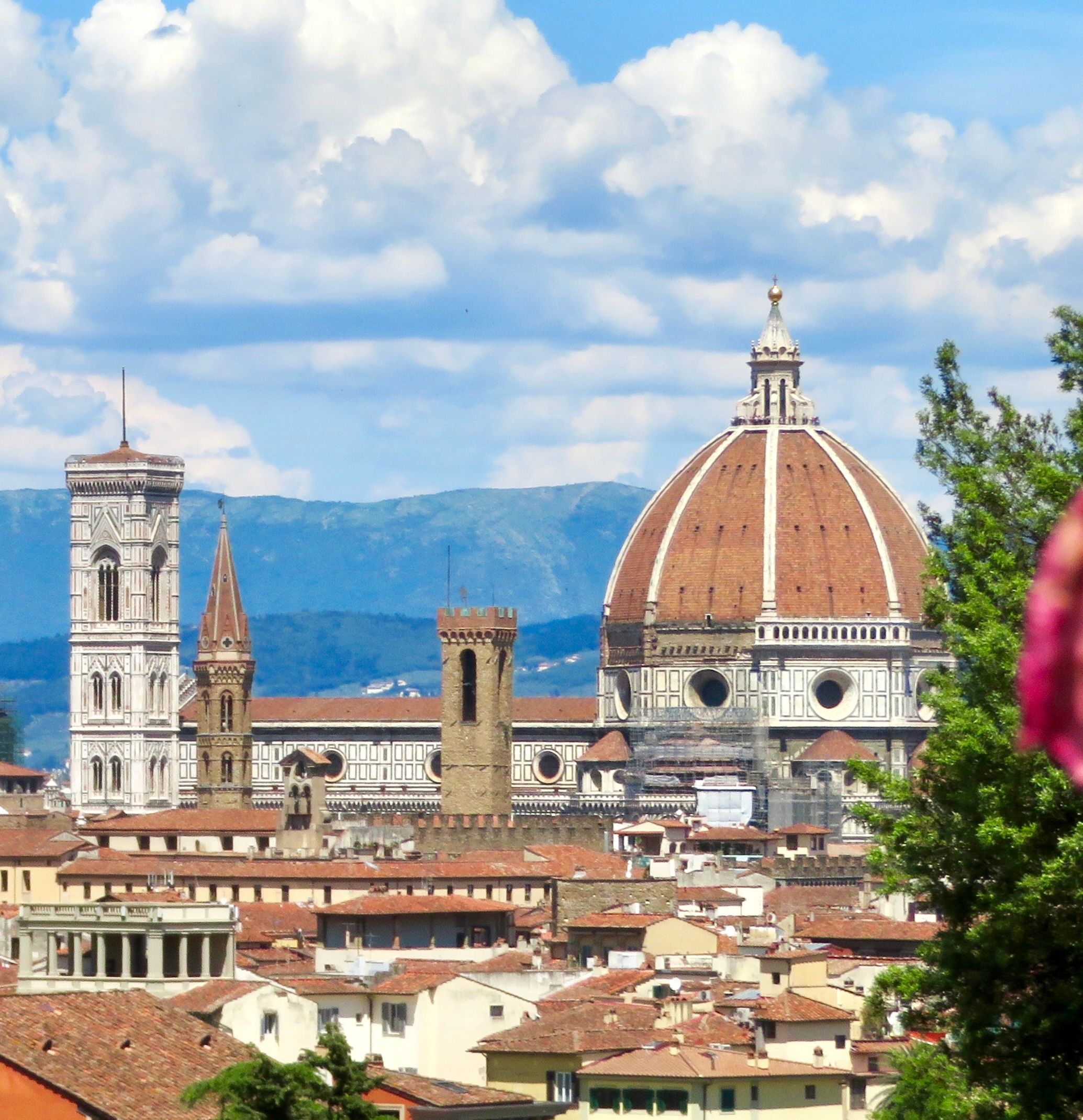
When I was a university professor teaching, advising, and coordinating a dual-certification teacher preparation program, my students encouraged me to start a Study Abroad program (now called Global Experiences). Although the university offered many excellent programs, the School of Education had not yet created one of its own.
My students were earning an Applied Developmental Psychology degree, and an M.Ed. and becoming certified to teach Special Education and Pre-Kindergarten to Grade Four children. For this reason, I intentionally chose to create a program in Florence. Italy is home to both the Montessori and Reggio Emilia approaches to teaching, two highly respected, research-supported models used around the world. The Loris Malaguzzi International Centre in Reggio Emilia sits in the Emilia-Romagna region and is only about an hour from Florence in Tuscany, where our program was based. The location made deep, meaningful study possible for my students.
Once the logistics and the excitement of spending every May in Florence settled, I focused on what would be the most important educational lessons for our teacher candidates. Our visits included an international school in Florence, several preschools and elementary classrooms, the Oblate Library with its extensive children’s collection, and, of course, the Malaguzzi Centre. We also hosted professors from the University of Florence who specialized in early childhood education, along with educational psychologist Dr. Laura Artusio, who had long collaborated with the Yale Center for Emotional Intelligence on the RULER program.
What We Found in Italian Classrooms
What struck me most, every single year, was the unwavering focus on young children. In Italy, early childhood education is widely accessible beginning at birth. Classrooms are intentionally designed to immerse children in language, literacy, art, and exploration. The message is very clear, young children are capable learners worthy of beautiful, thoughtful environments.
Even daily routines reflect this respect. Children eat real food, on real plates, using real glasses and silverware. Families receive menus at the start of the year featuring meals such as penne with meat sauce, asparagus, salad, and bread. This sort of meal is served every day, not as a special occasion. Important to note is that these are not elite private schools. They are part of a public commitment to children’s well-being.
The Reggio Emilia and Montessori Approaches
Many programs share similar philosophies, but the Reggio Emilia approach illustrates this mindset especially well. Children are viewed as active co-constructors of knowledge rather than passive recipients. The school environment, inside and outside, is considered the “third teacher,” intentionally designed to provoke curiosity and independence. Perhaps the most well-known concept, the “Hundred Languages of Children,” recognizes that children express understanding in many ways, through art, movement, construction, storytelling, and more.
While our My Learning Circle platform is not purely Reggio-based, our work is strongly informed by both Reggio and Montessori principles. At the heart of both is a shared belief that children deserve respect as individuals, along with rich opportunities to think deeply, create freely, and communicate their ideas.
In the United States, Montessori and Reggio-inspired schools certainly exist, and many children benefit from them, typically through kindergarten or first grade. My goal in bringing teacher candidates to Italy was never to copy a system wholesale, but to help future teachers carry powerful ideas back into their own classrooms.
The Calm That Stayed with Us
Over the ten years I led this experience, one observation surfaced repeatedly and that was the calm. Classrooms felt purposeful but unhurried. Teachers were warm and visibly content. Children moved with confidence and independence. It never felt staged for visitors; these schools welcomed observers regularly and simply continued their work with young children.
Outside of schools, the same tone persisted. Walking through Florence late in the evening, we often passed families still enjoying dinner together, sometimes as late as 9:00 p.m. on a weeknight. In all of my 10 years visiting Italy, I never once heard a parent publicly demean or yell harshly at a child. As a proud Sicilian Italian myself, I fully appreciate that many Italians can be expressive and animated, I certainly am! My family and Italian friends are as well. Of course, children are corrected when needed. But the public posture toward children consistently conveyed dignity and respect.
My students noticed it too. Each summer our discussions returned to the same conclusion, in these communities, children are treated as full human beings in families, in schools, and in public spaces. We also observed structural differences that matter. There were noticeably more men teaching in early childhood and elementary classrooms than is typical in the United States. Parent involvement was visible and ongoing. Schools felt deeply connected to their communities. Some of these elements exist in American schools; however, many do not, at least not consistently.
The Deeper Difference: A Matter of Mindset
This reflection was never meant to be a checklist of Italian lesson plans or a review of pedagogy. In truth, many classroom activities look familiar on the surface. The deeper difference lies in mindset:
Trust in children’s competence
Respect for developmental pacing
Environments designed for independence
Integration of emotional intelligence
Strong home and school partnerships
Attention to nutrition and daily rhythms
These elements create a feeling, one that my students and I carried home each year.
Could This Happen in the United States?
Could this happen more broadly in the United States? In some places, it already does happen. But widespread change would require a significant shift in how we view teaching and learning and how we prepare people to become educators.
Children and teachers must be on the same team. Learning cannot thrive in environments where young children are tightly controlled every minute of a seven-hour day. That model serves very few learners well. If a child falls outside the narrow “middle of the pack”, if they are too energetic, too quiet, too curious, too creative, too opinionated, too much in need of a differentiated lesson, that child’s school experience can quickly become frustrating rather than joyful.
Italian schools reminded me of something both simple and profound. When we design education around respect, relationships, and rich environments, children do more than comply, they thrive. And when children thrive, teachers and families often do too.